Through Dust & Dynasties
"We do not inherit the palace as a structure of wood and earth, but as an eternal path walked by the ancestors from Yendi to the borders of the Black Volta."
Enter the Archive ↓The Cultural Home of the Doligbe
The Dorimon/Dolimon people, also known as the Doligbe of Ghana, trace their royal origins to Yendi, the ancient seat of the Dagbon kingdom in northern Ghana. Their history is an epic road — from Yendi westward through Doli, across the Black Volta river, into Gbono/Bouna in present-day Côte d'Ivoire, and back into Ghana through the settlements of Dontanga and Donkoru, Bieli, and finally Dorimon.
Part of the wider Mole-Dagbani world, Dorimon chieftaincy carries the Dagbon inheritance: the skin as the sacred symbol of authority, gate succession, palace order, and a delicate balance between royal chiefs and land custodians called Tendamba. Today, Wechiau and Dorimon stand as the two paramouncy seats in the Wa West District, preserving centuries of living customary covenants.
"The skin belongs to the whole tradition: gates, Tendamba, palace, elders, and people together." — Bieli Customary enskinment Covenants
The Journey: From Yendi to Dorimon
Follow the epic road of the Doligbe as they migrated westward, establishing centralized states and rotating stool gates.
"Departed from Yendi, carrying ancestral earth wrapped in royal cloth. The stool remains secure under the watch of three blood elders."
The Departure from Dagbon (Yendi)
Naa Zokuli, a ruler of Dagbon, led a westward expedition in search of wealth and territory, producing the Hanga, Wala/Dorimon, and Koulango branches. They settled first at Doli (near Bole), which birthed the name Dolimon, before being forced across the Volta by the Gonja warrior Jakpa.
The Centralized Kingdom of Bouna
In Gbano/Gbono (Bouna, Côte d'Ivoire), Naa Zokuli formed a union with Mantou, sister of King Haïngère of the Lorhon. Their son Bounkani founded the Kingdom of Bouna, described as the first centralized state in Côte d'Ivoire. Following Zokuli's disappearance in Bouna Lake, a gold-adorned crocodile appeared, and a sacred Kuli vabu funeral was held in Dagbon.
Return to Ghana & Bieli Covenants
The contingent returned eastward, settling among deep-rooted land custodians (Tendamba) in Bieli. The founding brothers, Dakpa and Gango, established the Dakpayiri and Gangoyiri gates. The new settlement around the palace grew as Dolimon, carrying the memory of Doli and fortified by the Bieli Tendamba.
Paramountcy & Validated Succession
Dorimon achieved formal paramountcy status on 15 January 1983 under Paramount Chief Naa Abudu Mumuni. On 15 May 2025, the Upper West Regional House of Chiefs validated the enskinment of Naa Seidu Tungbani Salinbile II as the Paramount Chief, securing dynastic continuity.
The Pillars of Dorimon Heritage
The sacred institutions that sustain the Royal Seat of the Paala Palace through generations of change.
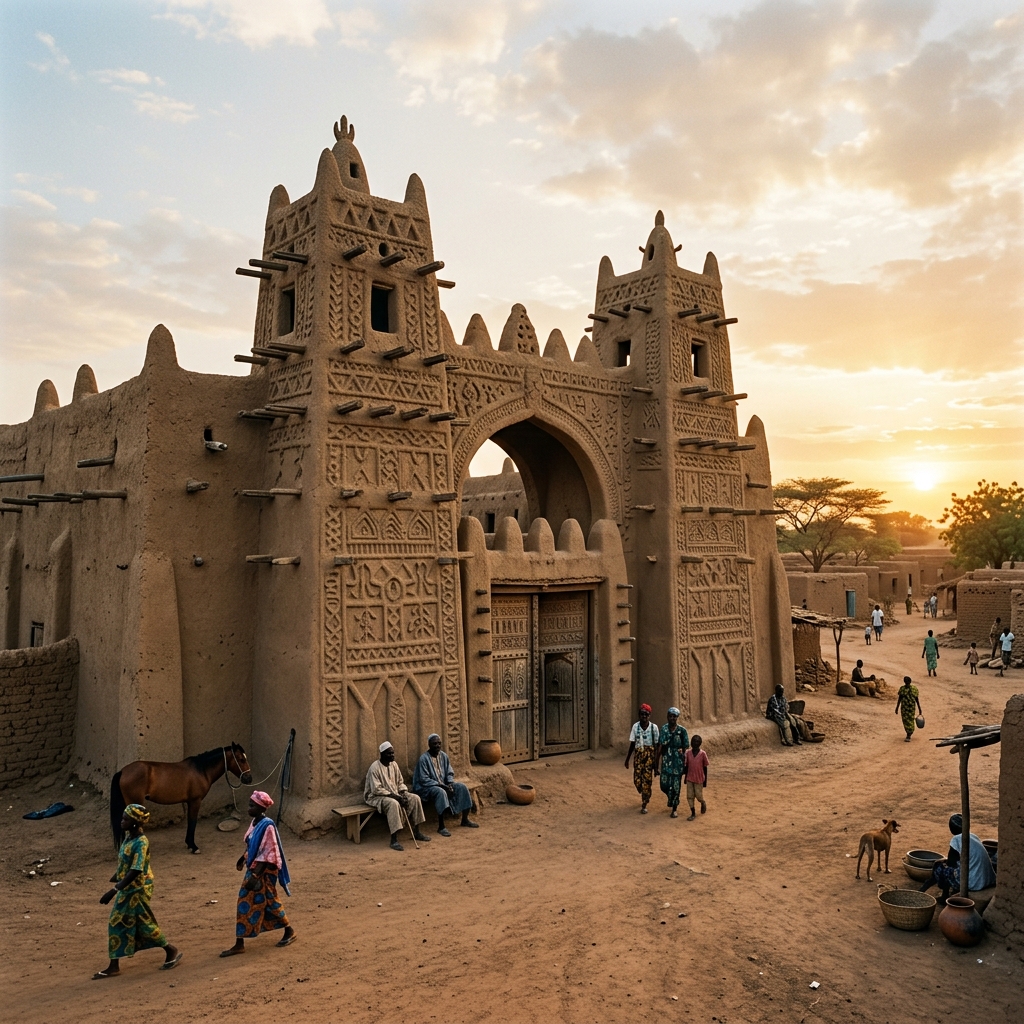
Earth Architecture
The literal foundation of the Paala Palace. Built using traditional clay-and-timber techniques, the defensive buttresses and organic plaster reflect deep, centuries-old architectural wisdom.
Stool Custodianship
The royal lineage is governed by the sacred skin/stool rules. Customary succession laws are observed with absolute fidelity, maintaining an unbroken chain of authority.
Judicial Assembly
The palace has long acted as a supreme local tribunal, settling land boundaries, marriage covenants, and inter-clan reconciliations using deeply researched customary laws.
The Living Archive
An ongoing scholarly endeavor to catalog every legal draft, letter, partition deed, and elder testimony, safeguarding Dorimon's history for global research.
The Proposed Conservation Project
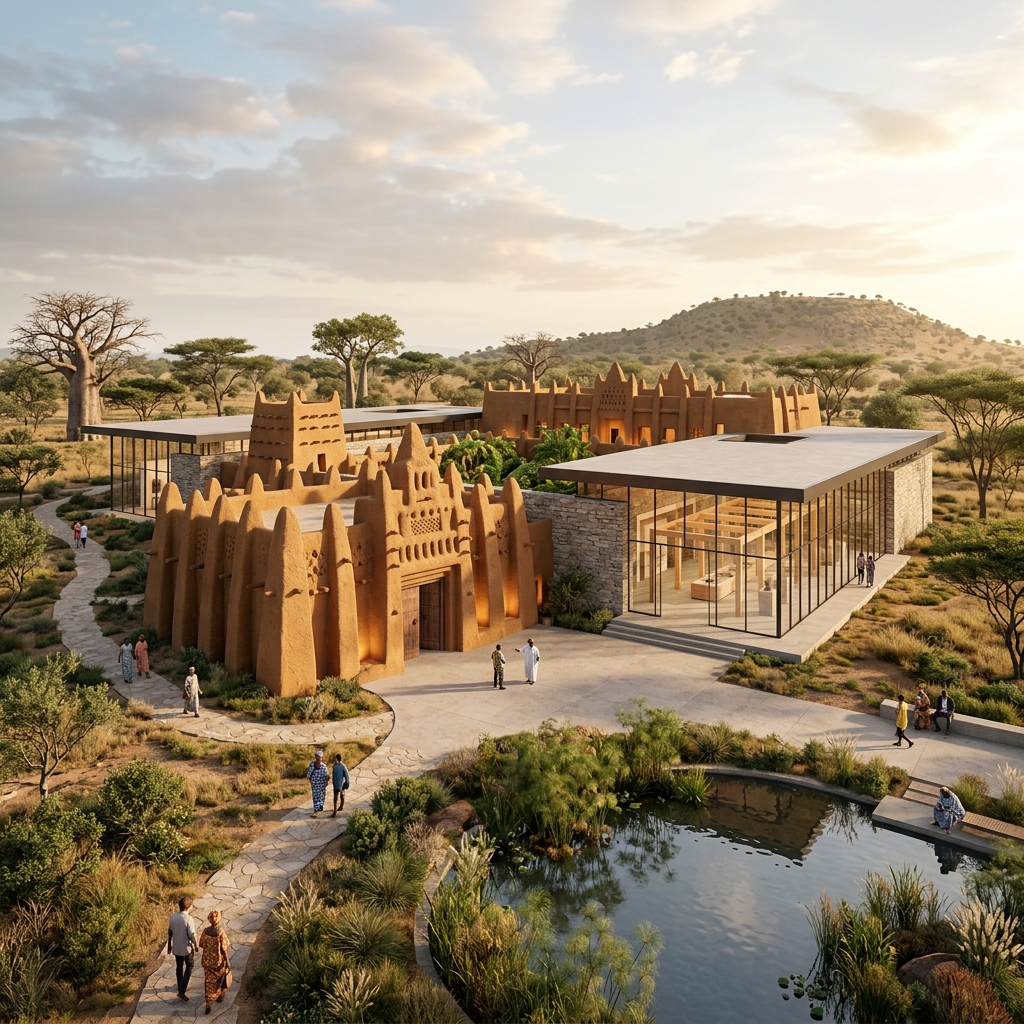
To secure the physical home of this timeless archive, the Dorimon Traditional Council has partnered with global architectural preservationists to design the new Paala Palace Conservation Center.
The proposed design meticulously preserves the historic Sudanese-style adobe mud-brick structures while seamlessly introducing an underground climate-controlled archival vault and research library. The materials will be sourced locally—using indigenous stabilized earth, mahogany timber framing, and thermal solar cooling—to ensure the site remains a sustainable, living monument to West African architectural heritage.
The Royal Archival Library
Explore authentic historical treaties, legal petitions, colonial-era correspondence, and oral histories. Search and preview primary source manuscripts preserved by the Dorimon Traditional Council.
No documents deposited in the Royal Library yet.
Please use the Manuscript Deposit section below to upload new documents.
Manuscript & Document Deposit
Sovereign administrators and registered scholars can deposit digital archives (PDF, DOCX, DOC, TXT) directly into the Paala Palace digital vaults. Metadata is registered in MongoDB, and documents are securely processed.
⚜ Deposit New Record
⚜ Vault Archives (MongoDB)
| Document | Category | Size | Actions |
|---|---|---|---|
|
No documents deposited in local MongoDB instance. |
|||
The Royal Dynasty Succession
Witness the verified chain of royal succession governing the Dorimon traditional throne. Toggle between the royal gates to trace the lineage and view the elders' comments.
The Royal Gates
Naa Toriwonye
Gate: Gangoyiri Royal Gate
One of the early enskinned sovereigns after the founding brothers Dakpa and Gango. Formed extensive trade and military covenants along the Black Volta river corridor, stabilizing the early Dolimon settlements.
Naa Badabay
Gate: Dakpayiri Royal Gate
Consolidated the gate's land domain (gaara) around Dontanga and Kogle. Standardized the rotation covenants of the skin and reinforced enskinment fortification sequences at Bieli.
Naa Zinmara Serber
Gate: Gangoyiri Royal Gate
Sovereign of great expansion. Sent his son Daari Zinmara eastward to discover fertile lands at Nahari, giving his sons the ancestral shrine Adomakuma and establishing the female Tugbani ritual sequence.
Naa Sohiwminye Danaa Gore II
Gate: Dakpayiri Royal Gate
Reigned during late 19th-century regional transitions. Successfully navigated skin integrity and custom preservation against external shifts while protecting the Bieli Tendamba boundaries.
Naa Abudu Mumuni
Gate: Gangoyiri Royal Gate
Reigned during the late 20th century. Led the traditional council with profound wisdom and officially secured formal paramountcy status for the Dorimon Skin on 15 January 1983.
Naa Seidu Tungbani Salinbile II
Gate: Dakpayiri Royal Gate
The validated reigning Paramount Chief of the Dorimon Traditional Area. Declared validly appointed by the Upper West Regional House of Chiefs on 15 May 2025, continuing the historical rotation.

Elder Alhaji Issa Mahama
Senior Registrar, Stool Archives Council
"Every skin chief of Dorimon is verified by three elements: the rotating lineage of the Gate, the custody of the Stool relics, and the enskinment blessings of the Tendamba land priests. The skin rotates strictly between the Dakpayiri and Gangoyiri gates."
Recorded at the Dorimon Palace Assembly, March 2026Archival Consultation & Partnerships
The Paala Palace Heritage Archives welcome partnerships with universities, anthropological societies, legal historians, and cultural foundations. If you wish to request high-resolution physical scans of manuscripts or schedule an in-person research consultation in Dorimon, please register your inquiry.